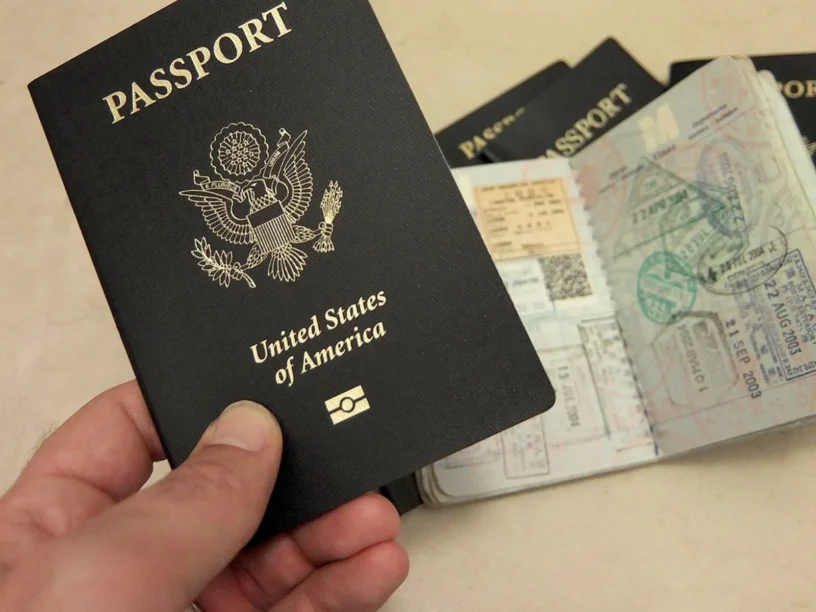

Applying for a Vietnam visa is a necessary step for U.S. citizens who wish to enter and stay in Vietnam legally. With the introduction of electronic visas (eVisas), the application process has become much more convenient and straightforward. However, applicants still need to understand the applicable regulations, eligibility requirements, required documents, and application procedures to avoid mistakes and delays.
In this article, we provide a detailed guide to the types of visas available to Americans and the procedures for applying for a Vietnam visa, helping you prepare your application before traveling to Vietnam.
1. Types of Visas for Americans Traveling to Vietnam
Currently, U.S. citizens are not eligible for visa-free entry into Vietnam. Therefore, Americans generally need to obtain a Vietnam visa before traveling. However, certain individuals may be eligible to use alternative documents, such as:
- Temporary Residence Card: Issued to eligible foreigners legally residing in Vietnam. It allows multiple entries and exits and permits the holder to stay in Vietnam for the period specified on the card without applying for a separate visa.
- 5-Year Visa Exemption Certificate: Available to eligible individuals under Vietnamese regulations. It allows multiple entries into Vietnam during its validity period without requiring a separate visa for each trip.
Depending on the purpose of their visit, such as tourism, business, employment, family visits, or investment, U.S. citizens can choose the appropriate type of Vietnam visa. Common visa types available to Americans include:
| Visa Type | Eligibility | Duration |
|---|---|---|
| Tourist Visa (DL) | Foreigners entering Vietnam for sightseeing and tourism | 3 months |
| Business Visa (DN1, DN2) | Foreigners entering Vietnam for business activities or cooperation with Vietnamese enterprises and organizations | 12 months |
| Work Visa (LD1, LD2) | Foreigners who meet the applicable requirements for working in Vietnam | 2 years |
| Family Visit Visa (TT) | Eligible relatives of Vietnamese citizens or foreigners legally residing in Vietnam | 12 months |
| Investor Visa (DT1, DT2, DT3, DT4) | Foreign investors who meet the legal requirements for investing in Vietnam | Up to 5 years |
| Vietnam Electronic Visa (eVisa) | Citizens of all countries and territories are eligible to apply for an eVisa | Up to 90 days |
2. Requirements for Americans Applying for a Vietnam Visa
To obtain a Vietnam visa, U.S. citizens must meet the applicable entry and visa requirements, including:
- A valid U.S. passport: Applicants should have a passport valid for at least six months from their expected date of entry into Vietnam, with at least two blank pages available for visa and immigration procedures.
- No entry restrictions: Applicants must not be subject to any entry bans or restrictions under Vietnamese law.
- Application from outside Vietnam: Applicants must be outside Vietnam when submitting their visa applications if required by the applicable visa procedure.
3. Methods of Applying for a Vietnam Visa for Americans
U.S. citizens can apply for a Vietnam visa through two commonly used methods: an electronic visa (eVisa) and a visa issued upon arrival with prior approval.
3.1. Applying for a Vietnam eVisa
A Vietnam electronic visa (eVisa) is an online visa that allows U.S. citizens to complete the application process electronically without visiting a Vietnamese embassy or consulate to submit their applications.
Applicants can complete the process from anywhere with an internet connection. eVisa applications are generally processed within 3–7 business days after a complete application has been submitted and the required fees have been paid.
An eVisa is commonly used for tourism, family visits, and other eligible purposes.
3.2. Applying for a Visa Upon Arrival
Applying for a visa upon arrival may be suitable in certain circumstances, such as business travel or situations in which applicants require assistance with their visa arrangements.
For business visas issued through this process, U.S. citizens generally need a Vietnamese company or organization to act as their sponsor. Once the sponsor obtains an entry approval letter from the competent authority, the applicant can use the letter to obtain a visa stamp at an eligible international airport in Vietnam upon arrival.
4. Documents and Procedures for Applying for a Vietnam Visa for Americans
In addition to applying for an eVisa, U.S. citizens may be able to apply for a Vietnam visa using an entry approval letter. This method generally requires an individual or organization in Vietnam to act as a sponsor and complete the necessary procedures with the immigration authorities.
Step 1: Apply for an Entry Approval Letter
The sponsor in Vietnam prepares the application for an entry approval letter based on the applicant’s visa type and purpose of entry, such as tourism, business, family visits, or other eligible activities.
The application dossier typically includes the following documents:
- A notarized copy of the business registration certificate of the sponsoring company or organization, if applicable.
- An official visa request form for foreigners (Form NA2).
- A document introducing the signature and seal of the sponsoring organization (Form NA16).
- A copy of the foreign applicant’s passport.
- Additional documents required for the specific purpose of entry, such as proof of family relationships for family visit visas or a travel itinerary for tourism.
After preparing the required documents, the sponsoring organization or individual submits the application to the Vietnam Immigration Department to request an entry approval letter.
Once the application has been approved, the sponsor sends a scanned copy of the entry approval letter to the American applicant so they can proceed with the visa application.
Step 2: Obtain the Vietnam Visa Stamp
After receiving the entry approval letter, the applicant should print a copy and complete the visa stamping procedure at one of the permitted locations:
- Vietnamese Embassy or Consulate in the United States: Obtain the visa before traveling to Vietnam.
- Eligible Vietnamese International Airport: Obtain the visa stamp and complete the relevant immigration procedures upon arrival.
After completing the visa stamping procedure, U.S. citizens can use their visas to enter and stay in Vietnam for the authorized period.
5. Where to Apply for a Vietnam Visa for Americans
U.S. citizens can apply for a Vietnam eVisa online or arrange a visa through an entry approval letter, depending on their eligibility and travel requirements.
After receiving an entry approval letter, applicants may obtain their visas at a Vietnamese embassy or consulate in the United States or at an eligible international border crossing in Vietnam.
Vietnamese Embassy in Washington, D.C.
Americans can contact the Vietnamese Embassy in Washington, D.C., for assistance with visa procedures before traveling to Vietnam.
Contact Information:
- Address: 1233 20th St NW, Suite 400, Washington, DC 20036, United States
- Phone: 202-861-0737
- Consular Service Email: visatovn@vietnamembassy.us
- Website: vietnamembassy-usa.org
Immigration Offices in Vietnam
If original documents are required during the entry approval letter application process, individuals and sponsoring organizations can contact the Vietnam Immigration Department at the following locations.
Immigration Department – Ministry of Public Security in Hanoi
- Address: No. 44–46 Tran Phu Street, Ba Dinh District, Hanoi
- Email: contact@immigration.gov.vn
Immigration Department in Ho Chi Minh City
- Address: 333–335–337 Nguyen Trai Street, Nguyen Cu Trinh Ward, District 1, Ho Chi Minh City
- Phone: 8386425
Immigration Department in Da Nang
- Address: No. 7 Tran Quy Cap Street, Hai Chau District, Da Nang City
- Phone: 02363822381
6. How Much Does a Vietnam Visa Cost for Americans?
The cost of a Vietnam visa for Americans depends on the application method and visa type.
When submitting an application for an entry approval letter directly to the Vietnam Immigration Department, applicants generally do not pay a fee for the approval letter itself. However, if they use an intermediary or visa assistance service, additional service fees may apply.
After receiving an entry approval letter, U.S. citizens who obtain their visas at eligible international airports must pay the applicable visa stamping fee. The fees listed below are:
| Visa Type | Duration | Fee |
|---|---|---|
| Single-entry visa | 1 month | USD 25 |
| Single-entry visa | 3 months | USD 25 |
| Multiple-entry visa | 1 month | USD 50 |
| Multiple-entry visa | 3 months | USD 50 |
| Multiple-entry visa | 12 months | USD 135 |
These fees apply to the visa stamping process at eligible border crossings. Applicants should select the visa type that matches their travel purpose and requirements to avoid unnecessary expenses or delays.
7. List of Vietnamese Border Crossings That Accept eVisas for Americans
U.S. citizens holding a valid Vietnam eVisa can enter the country through designated international border crossings, including international airports, land border gates, and seaports.
When applying for a Vietnam eVisa, Americans should select an eligible port of entry that matches their intended arrival point to help ensure a smooth immigration process.
List of Border Crossings That Accept Vietnam eVisas
| International Airports | Land Border Gates | Seaports |
|---|---|---|
| Noi Bai Airport (Hanoi) | Bo Y Border Gate (Kon Tum) | Hon Gai Port (Quang Ninh) |
| Tan Son Nhat Airport (Ho Chi Minh City) | Cha Lo Border Gate (Quang Binh) | Cam Pha Port (Quang Ninh) |
| Da Nang Airport | Cau Treo Border Gate (Ha Tinh) | Hai Phong Port (Hai Phong) |
| Cat Bi Airport (Hai Phong) | Huu Nghi Border Gate (Lang Son) | Nghi Son Port (Thanh Hoa) |
| Cam Ranh Airport (Khanh Hoa) | Ha Tien Border Gate (An Giang) | Vung Ang Port (Ha Tinh) |
| Can Tho Airport | Lao Bao Border Gate (Quang Tri) | Chan May Port (Thua Thien Hue) |
| Phu Bai Airport (Hue) | Lao Cai Border Gate (Lao Cai) | Da Nang Port (Da Nang) |
| Phu Quoc Airport (Kien Giang) | La Lay Border Gate (Quang Tri) | Nha Trang Port (Khanh Hoa) |
| Van Don Airport (Quang Ninh) | Moc Bai Border Gate (Tay Ninh) | Quy Nhon Port (Binh Dinh) |
| Lien Khuong Airport (Da Lat) | Mong Cai Border Gate (Quang Ninh) | Dung Quat Port (Quang Ngai) |
| Nam Can Border Gate (Nghe An) | Vung Tau Port (Ba Ria–Vung Tau) | |
| Na Meo Border Gate (Thanh Hoa) | Port of Ho Chi Minh City | |
| Tay Trang Border Gate (Dien Bien) | Duong Dong Port (Kien Giang) | |
| Tinh Bien Border Gate (An Giang) | ||
| Song Tien Border Gate (An Giang) | ||
| Xa Mat Border Gate (Tay Ninh) |
Americans should ensure that the port of entry specified on their eVisa matches their actual arrival point and is included in the list of permitted entry points. This helps avoid potential issues during immigration procedures at the Vietnamese border.

Leave a Reply