I wanted to share these Vietnam travel tips with you, in the hope that you, too, can dive right into the experiences Vietnam has to offer. Here are some of the top things to do in Vietnam, along with practical advice to help you make the most of your trip in 2026.
Top Things to Do in Vietnam
Two years ago, I took a trip to Vietnam and Thailand with a couple of friends. We had heard so much about the beauty of Thailand’s golden beaches that we were initially reluctant to travel to Vietnam. Vietnam, the country where I was born, had become a distant memory.
The longer we stayed in Thailand, the more we felt we were missing something. We wanted to experience the local culture, but much of what we encountered was geared towards tourists. We brought our flights forward and headed to Vietnam, a country where I could easily be mistaken for a local. I could speak the language and understood the culture.
I was completely swept away by how much the country had changed and, at the same time, how much I recognised its soul and personality. Vietnam offered a very different experience from anywhere else.
Vietnam provided the authentic experience we had been looking for. There were a few things that helped us make the most of our trip, so I wanted to share these simple but effective Vietnam travel tips to help you experience this incredible country.
1. The Best Time to Visit Vietnam Is from January to March
Weather
Vietnam has a tropical climate, but the weather varies considerably between the north, central regions and south. January to March is generally a pleasant time to visit many parts of the country, although the best time depends on your destination.
Northern Vietnam can be cool during winter, particularly in Hanoi and the mountainous regions around Sapa. Central Vietnam can experience considerable rainfall during the autumn and early winter, while southern Vietnam generally has warm weather throughout the year.
Don’t automatically rule out travelling during the rainy season. In southern Vietnam, showers often occur in the afternoon and may last only a short time. However, heavy rainfall and tropical storms can occasionally disrupt outdoor activities and transportation.
If you’re visiting several regions, pack lightweight clothing, comfortable walking shoes and a light jacket for cooler evenings in the north.
Public Holidays
Tet Holiday (January or February)
Tet, the Vietnamese Lunar New Year, is the country’s most important holiday. Its date changes every year, usually falling in January or February.
During Tet, many businesses close or operate on reduced schedules. Transport services can become busy as Vietnamese people travel home to celebrate with their families. Popular tourist destinations may also be crowded.
If you want to experience traditional Vietnamese celebrations, Tet can be an interesting time to visit. However, book accommodation and transportation in advance and check the opening hours of attractions.
30 April: Reunification Day
Reunification Day commemorates the reunification of Vietnam in 1975. Celebrations and public events take place in several cities, particularly Ho Chi Minh City.
This public holiday is often part of a longer holiday period, so domestic travel can become particularly busy. Book transport and accommodation in advance if you’re planning to travel around this date.
2. Check Whether You Need a Visa
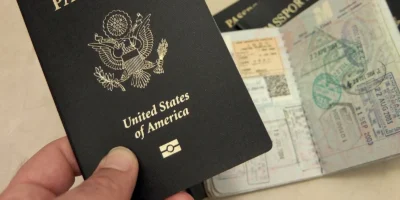
Vietnam’s visa requirements depend on your nationality, passport and length of stay. Some nationalities are eligible for visa-free entry, while others must obtain a visa before travelling.
Vietnam offers electronic visas (e-visas) for eligible foreign visitors. An e-visa can be valid for up to 90 days and allows either single or multiple entry.
The official e-visa fees are:
- Single-entry e-visa: US$25
- Multiple-entry e-visa: US$50
The e-visa fee is generally non-refundable if your application is refused. Apply through the official Vietnamese Immigration Department website and allow sufficient time for processing before departure.
Visa-free stays vary by nationality, so check the permitted length of stay and entry requirements before booking your trip.
Official website: Vietnam Immigration Department e-visa portal.
3. Everyone Is a Millionaire Here
Ever wondered what it feels like to be a millionaire? Travelling to Vietnam can give you that experience, thanks to the large denominations of its currency.
Vietnam uses the Vietnamese dong (VND). For travel budgeting in 2026, an illustrative exchange rate is:
- 1 US dollar (USD) ≈ 26,000 VND
- 10 USD ≈ 260,000 VND
- 100 USD ≈ 2,600,000 VND
- 1,000,000 VND ≈ 38.46 USD
Exchange rates fluctuate, so these figures are approximate rather than guaranteed rates.
Vietnam offers a wide range of prices, from inexpensive street food and local cafés to luxury hotels and fine dining. You can often find affordable meals and accommodation, particularly outside the main tourist districts.
Most everyday purchases are priced in VND. Keep some cash available for street vendors, small shops and local markets, although cards and digital payments are increasingly accepted in larger businesses.
4. Exchange Money and Withdraw Cash Carefully
Most major Vietnamese cities have plenty of ATMs that accept international Visa and Mastercard cards. You can also exchange foreign currency at banks and licensed exchange counters.
Airports have currency exchange facilities, which are convenient when you first arrive. However, exchange rates and fees can vary, so compare the available options before exchanging large amounts.
Gold shops and jewellery shops in central Ho Chi Minh City and Hanoi have traditionally offered currency exchange services. However, you should use only legally authorised exchange providers and check the current regulations.
ATM withdrawal limits vary by bank and machine. Some ATMs have relatively low withdrawal limits, while others allow larger withdrawals. Your home bank may also charge an international withdrawal fee, and the local ATM operator may apply an additional fee.
Before withdrawing cash, check the exchange rate and any displayed charges. If an ATM offers to convert the transaction into your home currency, compare the quoted rate with your card provider’s rate.
5. Your Trip Will Be Much Easier If You Learn These Useful Vietnamese Phrases
The official language is Vietnamese. Many visitors find it challenging to learn because it is a tonal language, and the meaning of a word can change depending on its tone.
Learning a few basic expressions can make travelling around the country easier and help you communicate with local people.
- Hello: Xin chào
- Thank you: Cảm ơn
- I’m sorry / Excuse me: Xin lỗi
- Excuse me: Cho tôi hỏi
- The bill, please: Tính tiền
- How much is it?: Bao nhiêu tiền?
- Too expensive: Mắc quá
- No sugar: Không đường
- Yes: Vâng (in northern Vietnam) / Dạ (commonly in southern Vietnam)
- No: Không
Pronunciation and regional expressions vary. Even a few simple Vietnamese phrases can make everyday interactions more enjoyable.
6. Vietnam Is Generally Safe, but Take Precautions
Vietnam is a popular destination for international travellers. Many visitors explore the country’s cities, beaches and countryside without encountering serious problems. However, as in any destination, it’s important to remain aware of your surroundings.
Petty theft, including phone and bag snatching, can occur in busy urban areas. Keep your belongings secure, particularly when walking near busy roads or using your phone outdoors.
When crossing the street, traffic can initially seem overwhelming. Look carefully in both directions, cross at designated crossings where available and avoid sudden movements. If you’re unfamiliar with local traffic, follow pedestrian signals and take your time.
Be particularly careful with your belongings in crowded markets, tourist attractions and public transport.
7. Vietnamese Culture and Local Customs
Vietnam has a population of more than 100 million people and a rich cultural heritage shaped by centuries of history, regional traditions and international influences.
Education, family and community play important roles in Vietnamese society. The country’s culture varies considerably between the north, central regions and south, with each region having its own traditions, cuisine and customs.
Vietnam also has a strong entrepreneurial culture. Street markets, family-owned restaurants and small independent businesses are common throughout the country.
Bargaining is customary in some traditional markets, particularly when buying souvenirs and other goods without displayed prices. However, bargaining is not generally expected in supermarkets, convenience stores, restaurants or businesses with fixed prices.
If you’re unsure about a price, ask before purchasing. Being polite and respectful makes shopping easier and helps avoid misunderstandings.
8. Tipping Is Not Usually Expected
Vietnam does not have a universal tipping culture. Tipping is generally optional, although it is increasingly common in some hotels, restaurants and tourist services.
Many restaurants include service charges in their bills, so check before leaving an additional tip. In local eateries and street-food stalls, customers generally pay the displayed price without tipping.
For excellent service, you can leave a small additional amount if you wish. Tour guides, drivers and hotel staff may also appreciate tips, but they should not be considered compulsory.
If you’re unsure whether a tip is expected, simply ask about the service charge beforehand.
9. Choose These Types of Transportation for a Hassle-Free Trip
Fly Between Major Cities
Vietnam is a long country, so domestic flights can save considerable time when travelling between major destinations.
Airlines operating domestic routes include Vietnam Airlines, Vietjet Air and Bamboo Airways. Prices vary depending on the route, booking date, baggage allowance and travel season.
Domestic flights are particularly useful for journeys such as Hanoi to Ho Chi Minh City or Ho Chi Minh City to Da Nang.
During periods of heavy rain or tropical storms, flights may be delayed or cancelled. Check your airline’s notifications and allow extra time if you have connecting transport.
Choose Grab Instead of Relying on Taxis Alone
Traditional taxis are available in most major Vietnamese cities. While many taxi companies operate legitimately, visitors should check that the meter is running or agree on a fare before starting a journey.
Ride-hailing services such as Grab provide another option. The app displays an estimated fare before you book, making it easier to understand the cost of your journey.
Uber no longer operates its ride-hailing service in Vietnam. Grab is one of the main alternatives, alongside local taxi companies and other available ride-hailing services.
As an indicative 2026 guide, short journeys may cost approximately:
- GrabBike: 15,000–40,000 VND
- GrabCar: 30,000–100,000 VND
These are approximate examples, not fixed fares. Longer journeys, airport transfers, heavy traffic and peak demand can increase the price.
You will need an internet connection to book a ride through an app. Check the vehicle registration and driver details before getting into the vehicle.
Traditional Motorbike Taxis (Xe Ôm)
The traditional xe ôm is a motorbike taxi service found in many parts of Vietnam. Independent drivers often wait near markets, bus stations and busy streets.
Before starting your journey, agree on the fare. Alternatively, use an app-based motorbike taxi service that displays the fare in advance.
If you’re unfamiliar with Vietnamese traffic, consider other transport options. Always use appropriate safety equipment and follow local transport regulations.
Coaches Are Comfortable and Affordable
Long-distance coaches are a common way to travel around Vietnam. Many companies operate routes connecting major cities, coastal destinations and smaller towns.
Popular services include Futa Bus and other regional operators. Sleeper buses are available on many overnight routes, with some offering reclining beds, Wi-Fi and air conditioning.
As a general 2026 budgeting guide, some sleeper-bus journeys cost approximately 250,000–400,000 VND. Longer journeys and premium services can cost considerably more.
Booking in advance is recommended during weekends, public holidays and peak travel periods. Check the departure location, luggage allowance and facilities before purchasing your ticket.
City buses are generally inexpensive, although routes and ticketing systems can be less familiar to first-time visitors.
Trains Offer a Scenic Way to Travel
Vietnam’s railway network connects several major cities and tourist destinations. Trains are generally slower than flights but can provide a relaxing way to explore the country.
The Reunification Express route between Hanoi and Ho Chi Minh City is particularly well known. Other popular journeys include Hanoi to Lao Cai, which provides access to Sapa.
Ticket prices depend on the route, seat type, sleeper accommodation and travel date. Soft seats and sleeper berths are available on many long-distance services.
Book through official railway channels where possible, especially for popular routes and overnight journeys.
Motorbikes Are Everywhere
Motorbikes are a major part of everyday life in Vietnam. They are particularly common in Ho Chi Minh City, Hanoi and other urban areas.
Riding as a passenger can offer a different perspective on the country’s busy streets. App-based motorbike taxis are available in many cities and can be convenient for short journeys.
Traffic conditions can be challenging for visitors unfamiliar with local roads. If you want to explore by motorbike, make sure you understand the applicable licensing and insurance requirements. Otherwise, use public transport, taxis or a licensed driver.
10. Wi-Fi and Mobile Internet Are Widely Available
Vietnam has widespread internet access, particularly in major cities and popular tourist destinations. Wi-Fi is commonly available in hotels, cafés, restaurants and shopping centres.
For internet access while travelling, consider purchasing a local SIM card or eSIM. Vietnam’s major mobile network operators include Viettel, Vinaphone and Mobifone.
A local SIM card can be purchased at official carrier shops and selected airport counters. Passport registration is generally required for physical SIM cards.
Indicative 2026 mobile data prices include:
- Local prepaid SIM: approximately 120,000–300,000 VND for some 30-day data packages.
- Airport tourist SIM: approximately 250,000–300,000 VND for some packages.
- International travel eSIM: approximately US$6–$20, depending on the provider and data allowance.
Prices and data allowances vary by carrier, location and package. Check the validity period, network coverage and data limits before purchasing.
If you’re travelling to mountainous destinations such as Sapa or Ha Giang, check the network coverage in advance. Mobile reception may be less reliable in remote areas.
11. Vietnamese Food Is Amazing!
Food plays an important role in Vietnamese culture. Traditional Vietnamese dishes have rich histories, and each region has its own distinctive ingredients, cooking methods and flavours.
Northern Vietnamese cuisine is often characterised by balanced flavours and dishes that make use of seasonal ingredients. Central Vietnamese food is known for its bold flavours and, in many dishes, generous use of chilli. Southern Vietnamese cuisine often incorporates sweeter flavours, fresh herbs and a wide variety of tropical ingredients.
Vietnamese street food is an essential part of the country’s food culture. From bustling markets to small pavement restaurants, there are plenty of opportunities to discover regional specialities.
Here are some of the most famous Vietnamese dishes to try.
Bún Chả: A Hanoi Favourite
Bún chả is one of Hanoi’s most famous dishes. It consists of grilled pork served with rice noodles, fresh herbs and a dipping sauce, usually accompanied by pickled vegetables.
You’ll find bún chả in restaurants and small pavement eateries throughout Hanoi. Many traditional establishments prepare the pork over charcoal grills, giving it a distinctive smoky flavour.
For an authentic local experience, visit a busy neighbourhood restaurant and enjoy the dish with fresh herbs and noodles.
Phở: A Classic Vietnamese Breakfast
Phở is perhaps the most internationally recognised Vietnamese dish. This traditional noodle soup is usually served with beef or chicken, rice noodles, aromatic herbs and a fragrant broth.
Phở is particularly popular for breakfast, although it is enjoyed throughout the day.
Every region has its own variations. Northern phở is often known for its clear broth and balanced seasoning, while southern versions frequently include a wider selection of herbs and garnishes.
Bánh Mì: Vietnam’s Famous Sandwich
Bánh mì is one of Vietnam’s most popular street foods. It combines a crisp baguette with a variety of fillings, including pâté, grilled meat, pork, pickled vegetables, coriander and chilli.
The baguette reflects French culinary influence, while the fillings and preparation have developed into a distinctive Vietnamese tradition.
Bánh mì is available throughout the country, with regional variations offering different fillings and flavours.
Vietnamese Coffee Is Strong and Delicious
Vietnam is famous for its coffee culture. Traditional Vietnamese coffee is often prepared using a small metal filter called a phin.
Two classic options are cà phê đen đá (iced black coffee) and cà phê sữa đá (iced coffee with condensed milk).
Coffee shops range from traditional pavement cafés to modern speciality coffee houses. Many visitors also enjoy egg coffee, particularly in Hanoi, and coconut coffee, which is popular in several cities.
Coffee prices vary by location and establishment. A traditional local coffee may cost approximately 20,000–45,000 VND, while speciality drinks and cafés in tourist areas may charge more.
12. Explore Vietnam’s Markets and Shopping Scene
Vietnam has a wide range of markets, shopping streets and modern shopping centres. Visitors can find clothing, handicrafts, souvenirs, household goods and locally made products.
Traditional markets are particularly popular for souvenirs, textiles and handmade items. Bargaining may be possible at some market stalls, but it is not appropriate everywhere.
International sportswear brands are also widely available. However, be careful when buying heavily discounted branded products, as counterfeit goods are common in some markets.
If authenticity matters, buy branded products from authorised retailers and check the product details before purchasing.
13. Have Your Clothes Tailored in Vietnam
Vietnam has a long tradition of tailoring, and Hoi An is particularly well known for its tailor shops.
Visitors can have suits, dresses, shirts and other garments made to measure. Many tailors offer a wide range of fabrics and designs, allowing customers to customise their clothing.
Prices vary according to the fabric, design, complexity and workmanship. A simple garment may be completed relatively quickly, while more complex items can require several fittings and additional time.
Don’t assume that every tailor can produce a high-quality garment within a few hours. Discuss the fabric, measurements, expected completion date and alterations before placing an order.
If you have a particular design in mind, bring photographs or reference images to help communicate your requirements.
14. Discover Vietnam’s Barbershops, Spas and Beauty Services
Vietnam has a large number of barbershops, massage centres, spas and beauty salons. Prices vary depending on the location, facilities and type of service.
In Ho Chi Minh City and Hanoi, you’ll find everything from traditional neighbourhood barbershops to modern salons and speciality spas.
Massage and beauty treatments are also widely available in popular tourist destinations. Before booking, check the services offered, displayed prices and whether any additional charges apply.
Some establishments may request tips, while others include service charges in their prices. Clarify the total cost before your appointment.
15. Vietnam Travel Tips: Must-Visit Places
One of the most popular ways to explore Vietnam is to travel along the country’s coast, starting in either Ho Chi Minh City or Hanoi and visiting destinations along the way.
However, Vietnam has many other places worth exploring, from mountain towns in the north to tropical islands in the south.
Ho Chi Minh City (Saigon)
Ho Chi Minh City is Vietnam’s largest city and an important commercial centre. It is known for its energetic atmosphere, bustling streets, modern skyscrapers and rich history.
Visitors can explore the War Remnants Museum, Independence Palace, Ben Thanh Market and the city’s many historic buildings.
The city is also famous for its street food, coffee shops, shopping districts and nightlife. Exploring its neighbourhoods is a great way to discover different aspects of modern Vietnamese life.
Mekong Delta
The Mekong Delta offers a very different experience from the busy streets of Ho Chi Minh City.
This fertile region is famous for its waterways, agricultural landscapes, fruit orchards and traditional villages. Visitors can explore the countryside by boat, bicycle or local transport.
One of the region’s most famous attractions is Cai Rang Floating Market in Can Tho, where boats traditionally gather to trade agricultural products.
Phu Quoc
Phu Quoc is a tropical island in southern Vietnam, known for its beaches, clear waters and relaxed atmosphere.
The island offers a variety of accommodation, from budget guesthouses to luxury resorts. Visitors can enjoy swimming, snorkelling, island excursions and fresh seafood.
Phu Quoc is also home to national park areas and traditional fishing villages, offering opportunities to explore beyond its beaches.
Mui Ne
Mui Ne is a coastal destination in Binh Thuan Province, approximately three to four hours by road from Ho Chi Minh City, depending on traffic and your starting point.
The area is known for its long beaches, fishing villages, sand dunes and water sports.
Mui Ne is particularly popular for weekend trips and offers a variety of beachfront accommodation and seafood restaurants.
Dalat
Dalat is a highland city known for its cool climate, green landscapes, lakes and waterfalls.
Its architecture reflects a mixture of Vietnamese and European influences. The city is also famous for flower gardens, coffee farms and fresh agricultural produce.
Surrounded by hills and pine forests, Dalat is a popular destination for sightseeing, hiking and outdoor activities.
Nha Trang
Nha Trang is a coastal city famous for its beaches, islands and water-based activities.
Visitors can enjoy swimming, snorkelling, diving, island excursions and fresh seafood. The city also has a lively waterfront, numerous hotels and a wide selection of restaurants.
Nha Trang is a popular holiday destination, particularly during the dry season. If you prefer quieter surroundings, consider visiting nearby beaches or planning your trip outside major holiday periods.
Hoi An
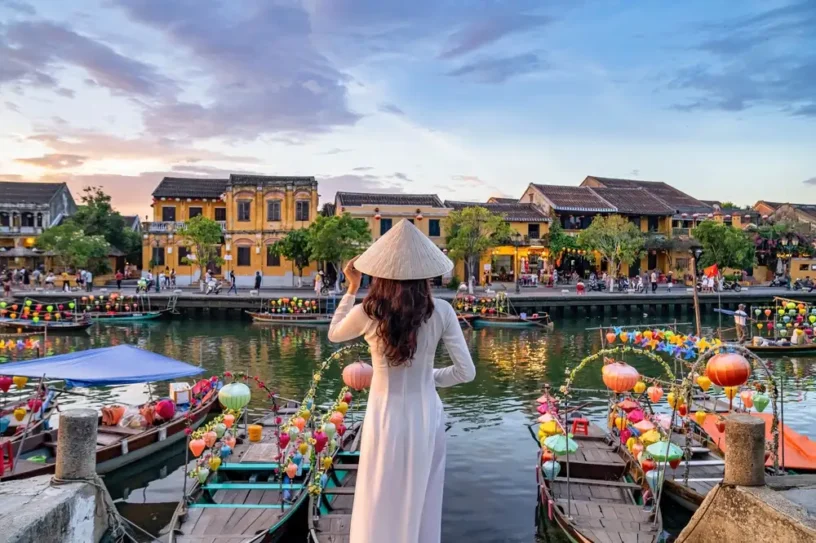
Hoi An is one of Vietnam’s most famous cultural destinations. Its well-preserved Ancient Town is recognised as a UNESCO World Heritage Site and is known for its historic architecture, colourful lanterns and riverside streets.
The town reflects Vietnamese, Chinese, Japanese and European influences. Visitors can explore historic houses, traditional markets, local restaurants and craft workshops.
Hoi An is also famous for its tailoring industry and regional cuisine. It is an excellent place to try cao lầu, white rose dumplings and other central Vietnamese specialities.
Hanoi
Hanoi is Vietnam’s capital and one of the country’s most historically significant cities. Its cultural heritage spans more than a thousand years.
The city is famous for its French colonial architecture, traditional neighbourhoods, lakes and vibrant street-food scene.
Popular attractions include Hoan Kiem Lake, the Old Quarter, the Temple of Literature and the Ho Chi Minh Mausoleum.
Exploring Hanoi on foot is a great way to discover its markets, small cafés, historic streets and traditional neighbourhoods.
Ha Long Bay
Ha Long Bay is one of Vietnam’s most famous natural attractions and a UNESCO World Heritage Site. It is known for its spectacular limestone islands, caves and emerald waters.
Visitors can explore the bay on day cruises or overnight boats. Many cruises include sightseeing, kayaking and visits to selected caves or islands.
Cruise prices vary depending on the boat, itinerary, accommodation and season. Book through a reputable operator and check what is included in the advertised price.
Sapa
Sapa is a mountain town in northern Vietnam, known for its dramatic landscapes, rice terraces and traditional villages.
Located near Fansipan, the highest mountain in Vietnam, Sapa is a popular destination for trekking, sightseeing and cultural experiences.
Visitors can explore the surrounding countryside, stay in local homestays and discover the traditions of ethnic minority communities.
The weather can change quickly in the mountains, so bring appropriate clothing and check local conditions before planning outdoor activities.
Ninh Binh
Ninh Binh is famous for its spectacular limestone landscapes, winding rivers, caves and historic temples. It is often called the inland Ha Long Bay because of its dramatic scenery.
Popular attractions include Trang An, Tam Coc, Hoa Lu and Mua Cave. Visitors can explore the region by boat, bicycle or on foot.
Cycling through the countryside is a particularly enjoyable way to discover small villages, rice fields and ancient temples.
Ninh Binh is an excellent destination for a day trip from Hanoi, although staying overnight gives you more time to explore the area.
Final Vietnam Travel Tips for 2026
Vietnam offers an incredible range of experiences, from bustling cities and traditional villages to beautiful beaches and dramatic mountain landscapes.
Planning your trip around the weather, public holidays and transportation options can make travelling around the country easier. Check visa requirements before departure, keep some Vietnamese dong available and compare prices when booking accommodation and transport.
Prices can vary considerably between destinations and travel seasons, so treat the figures in this guide as estimates rather than fixed costs. Confirm current prices directly with service providers before making bookings.
Whether you’re exploring the street-food markets of Hanoi, cruising through Ha Long Bay, discovering Hoi An’s Ancient Town or relaxing on Phu Quoc’s beaches, Vietnam offers plenty of opportunities to experience its culture, food and natural beauty.

Leave a Reply