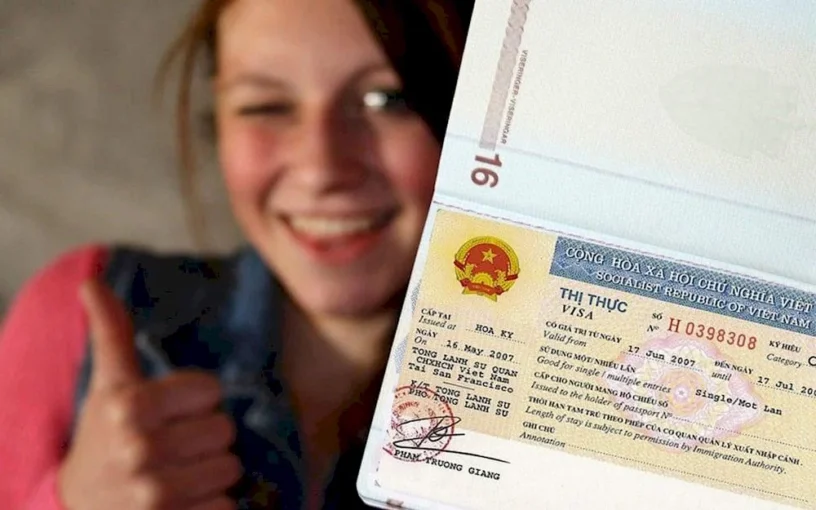
Vietnam has expanded its visa policy significantly in recent years. In 2026, Vietnam e-visas are available for citizens of countries and territories around the world, with an e-visa valid for up to 90 days for either single or multiple entry. The official e-visa fee is US$25 for a single-entry visa and US$50 for a multiple-entry visa.
Some nationalities can also enter Vietnam without a visa under Vietnam’s visa-exemption agreements and unilateral visa-exemption policies. The length of visa-free stay depends on your nationality, passport type, and purpose of travel.
If you’re wondering how to apply for a Vietnam e-visa, what you need for the application, and how the process works, keep reading this guide to find useful information!
1. What’s the Vietnam e-visa?
Vietnam e-visa is an electronic travel document issued by the Vietnam Immigration Department. It allows eligible foreign travelers to enter Vietnam without obtaining a traditional visa sticker in advance.
As of 2026, a Vietnam e-visa can be valid for up to 90 days and can be issued for either single entry or multiple entries.
The official government fee is:
- US$25 for a single-entry e-visa.
- US$50 for a multiple-entry e-visa.
The standard processing time is 3 working days after the application and payment have been properly submitted. Processing can take longer if information is incorrect, incomplete, or requires additional checking.
The official Vietnam e-visa website is:
Vietnam e-visa is one of the simplest official ways for eligible foreign travelers to obtain permission to enter Vietnam.
2. Visa-free and e-visa country lists
Vietnam’s visa policy has changed considerably since the original 80-country e-visa list. Vietnam now provides e-visas to citizens of countries and territories under the current e-visa regulations, subject to the applicable entry requirements.
If you are not eligible for visa-free entry, an e-visa is generally the main online visa option for foreign travelers.
Visa-free countries
Vietnam has visa-exemption agreements with a number of countries. The permitted stay varies depending on nationality and passport type.
For ordinary passport holders, important visa-free arrangements in 2026 include:
- 45 days: Germany, France, Italy, Spain, United Kingdom, Russia, Japan, South Korea, Denmark, Sweden, Norway and Finland.
- 45 days for tourism: Belgium, Bulgaria, Croatia, Czech Republic, Hungary, Luxembourg, Netherlands, Poland, Romania, Slovakia, Slovenia and Switzerland, under Vietnam’s tourism stimulus programme through August 14, 2028.
- Other bilateral visa exemptions apply to various countries, including several ASEAN countries and other countries, with different permitted stays and conditions.
The 45-day exemption for the first group is effective from March 15, 2025 through March 14, 2028. The 45-day tourism exemption for the second group is effective from August 15, 2025 through August 14, 2028.
The exact visa-free period can depend on the nationality, passport type and purpose of entry, so travelers should check the latest Vietnamese government visa-exemption list before travelling.
E-visa eligibility
Vietnam expanded its e-visa policy to citizens of countries and territories around the world. The current official e-visa system allows eligible foreigners outside Vietnam to apply online.
An e-visa may be used for stays of up to 90 days and may be issued for either single or multiple entry.
If your nationality is visa-exempt, you may not need an e-visa for a qualifying stay. If you are not visa-exempt, check the official e-visa portal to apply.
3. What you will need for the e-visa application
Before you apply for a Vietnam e-visa, make sure you prepare the information and documents required for the online application.
You will generally need:
- A valid passport or other valid international travel document.
- A digital image of your passport biographical/data page.
- A digital portrait photograph showing your face clearly and looking straight at the camera without glasses.
- An email address for your application information and registration code.
- A valid payment method supported by the official e-visa payment system.
- Your intended accommodation or address in Vietnam.
- Your expected entry date and intended exit date.
- Your intended entry and exit border gate or airport.
Make sure that your name, date of birth, passport number, nationality and other information exactly match your passport.
The official application system also has specific requirements for uploaded photographs and passport images. Follow the instructions displayed on the government website when submitting your application.
4. How to apply for a Vietnam e-visa?
To apply for a Vietnam e-visa, use the official Vietnam e-visa website:
Vietnam National Electronic Visa System
Step 1: Fill in your information
Complete the online application form and upload the required passport data page and portrait photograph.
Enter your personal information carefully, including your full name, sex, date of birth, nationality and passport information.
Check every detail before submitting the application. Incorrect or incomplete information can result in the application being rejected or cause problems when entering Vietnam.
Step 2: Receive your registration code and pay the fee
After submitting the application, you will receive a registration code.
Pay the applicable e-visa fee through the official electronic payment system:
- US$25 for a single-entry e-visa.
- US$50 for a multiple-entry e-visa.
The standard processing time is 3 working days after the completed application and payment have been received.
The e-visa fee is non-refundable if the application is refused.
Step 3: Check your application
Use your registration code, email address and date of birth to check your application status through the official e-visa search system.
If your e-visa is approved, download and print the e-visa. Keep the electronic copy available as well.
You should carefully check the approved e-visa before travelling and make sure your personal information and permitted entry dates are correct.
5. Frequently failed e-visa applications
Although the Vietnam e-visa application is relatively simple, applications can still be refused or delayed when information or documents do not meet the requirements.
Incorrect information details
Personal information such as your full name, date of birth, nationality or passport number must match your passport.
A small mistake can cause problems during the application process or when you arrive at the Vietnamese border.
After completing the application, carefully review every field before making the payment.
Wrong passport or portrait photo
Your passport data page and portrait photograph must meet the requirements shown on the official e-visa website.
The portrait should clearly show your face. Look directly at the camera and do not wear glasses.
Avoid heavily edited photographs, filters or images that make your face difficult to identify.
Payment rejected
Payment problems can prevent an application from being processed.
Make sure your payment method is supported by the official e-visa payment system and that the transaction is completed successfully.
If there is a problem with your application or payment, use the support information provided by the Vietnam Immigration Department.
Passport validity
Make sure your passport remains valid for the period required for entry into Vietnam. A passport with insufficient validity can cause problems even if your e-visa has been approved.
6. How to stay longer in Vietnam
A Vietnam e-visa can be issued for up to 90 days, depending on the visa granted to you.
If you want to remain in Vietnam beyond the permitted period, do not assume that your e-visa can simply be extended automatically.
Vietnamese immigration rules allow certain foreigners already in Vietnam to be considered for a new visa when they have an inviting or guaranteeing authority, organization or individual in Vietnam and meet the applicable legal requirements.
If you need to stay longer, check the current requirements with the Vietnam Immigration Department or an authorized immigration service before your current permitted stay expires.
Do not rely on older information about fixed two-month or three-month e-visa extension prices, as those figures do not represent the current e-visa system.
7. Ports of entry for e-visa
Vietnam e-visas can be used to enter and exit Vietnam through international border gates designated by the Vietnamese Government.
Major international airports used by travelers include:
- Tan Son Nhat International Airport — Ho Chi Minh City
- Noi Bai International Airport — Hanoi
- Da Nang International Airport — Da Nang
- Cam Ranh International Airport — Khanh Hoa
- Phu Quoc International Airport — Phu Quoc
- Cat Bi International Airport — Hai Phong
- Phu Bai International Airport — Hue
- Can Tho International Airport — Can Tho
Vietnam also permits e-visa entry and exit through designated international land border gates and seaports.
The list of permitted border gates has been expanded in recent years, so travelers should check the current official list before selecting an entry or exit point on their application.
Do not assume that every Vietnamese airport, land border or seaport accepts e-visas.
8. Everything about traveling with children to Vietnam
Taking children to Vietnam is a popular option for family holidays, but each child’s passport and visa status should be checked separately.
A child who is included in a parent’s passport can be included in the parent’s e-visa application where the Vietnamese e-visa application system permits this.
If a child has their own passport, the child generally needs their own visa unless they qualify for visa-free entry or another applicable exemption.
Children’s e-visa applications must meet the applicable requirements, including the required passport and portrait information.
Parents should make sure that the child’s information is entered correctly and matches the child’s travel document.
9. Vietnam e-visa vs. visa at the border
There are different legal routes for foreigners to obtain permission to enter Vietnam, but the appropriate option depends on nationality, purpose of travel and individual circumstances.
E-visa
For many ordinary travelers, the e-visa is the simplest online option.
A Vietnam e-visa can be issued for up to 90 days and may allow either single or multiple entry.
The official fees are:
- US$25 for single entry.
- US$50 for multiple entry.
Applications are submitted online through the official Vietnam e-visa system.
Visa at an international border gate
Vietnamese law also provides for visas to be issued at international border gates in specific circumstances.
These circumstances can include certain travelers entering Vietnam as part of an organized tour by a licensed Vietnamese international travel company, travelers coming from countries without a Vietnamese visa-issuing authority, people entering for urgent or special reasons, and certain other cases specified by Vietnamese law.
This should not be confused with the old travel-industry concept of a general “visa on arrival” service available to every tourist.
For most travelers who need a visa, applying for an official e-visa before travelling is the more straightforward option.
10. FAQs
Can I enter Vietnam after the entry date shown on my e-visa?
No. You should enter Vietnam on or after the permitted start date and before the permitted end date shown on your approved e-visa. Do not travel outside the validity period shown on the visa.
Who can apply for a Vietnam e-visa?
Vietnam has expanded its e-visa system to citizens of countries and territories around the world, subject to Vietnamese immigration requirements. Applicants must meet the applicable conditions and must not fall into a category excluded from e-visa application.
How long is a Vietnam e-visa valid?
A Vietnam e-visa can be valid for up to 90 days. It can be issued for either single entry or multiple entry.
How much does a Vietnam e-visa cost?
The official fee is US$25 for a single-entry e-visa and US$50 for a multiple-entry e-visa.
How long does a Vietnam e-visa take?
The official standard processing time is 3 working days after the completed application and payment have been received. Applicants should apply well before their intended travel date in case additional processing is required.
How do I receive the visa result?
You can check your application using your registration code, email address and date of birth through the official Vietnam e-visa system. If approved, you can download and print your e-visa.
What should I do if I entered incorrect information?
Check your application carefully before payment. Incorrect or unidentified information can result in the application not being accepted. If you have already submitted an application, use the official immigration system or contact the Vietnam Immigration Department for guidance.
Do I need a visa if my country is visa-exempt?
Not necessarily. If you qualify for Vietnam’s visa-exemption policy and meet its conditions, you may enter without an e-visa for the permitted period. Visa-free stay periods vary by nationality and passport type.
Can I use my e-visa at any Vietnamese border?
No. E-visa holders must enter and exit Vietnam through international border gates designated by the Vietnamese Government for e-visa use. Check the current official list before travelling.
Can I extend my Vietnam e-visa?
Do not assume that an e-visa can be automatically extended. Certain foreigners in Vietnam may be considered for a new visa when they have an eligible inviting or guaranteeing authority, organization or individual in Vietnam and satisfy the applicable legal requirements.
What is the official Vietnam e-visa website?
The official Vietnam National Electronic Visa System is:
Always use the official government website when applying and avoid unofficial websites that charge additional service fees.

Leave a Reply